
The z·ne blog.
Essays and guides on focus, attention, and deep work, from the team behind the z·ne EEG earbuds.
-

Time blocking: what it is, what the research shows, and how to make it hold
Time blocking gives each task a calendar slot. See what planning, time-estimate and interruption research found, why blocks overflow and how to test it.
-

Task batching: what it is, what the research shows, and how to do it well
Task batching groups similar work into one session. See what switch-cost, email and notification studies found, when batching backfires and how to test it.
-

Is decision fatigue real? What the research on tired choices actually shows
Decision fatigue feels real, but the willpower battery story is shaky. What replications, the hungry judge study and field data show, plus a simple self-check.
-

Do binaural beats work? What EEG and attention studies actually show
Do binaural beats work for focus? See what EEG studies found about brainwave entrainment, what attention trials show, and how to test a track yourself.
-

Does the Pomodoro technique work? What the research on timed breaks shows
Does the Pomodoro technique work? See what trials comparing timed breaks with self-chosen breaks found, where the 25-minute rule comes from, and how to test it.
-

Does music help you focus? What the research actually shows
Does music help you focus? See what studies show about lyrics, mood, and task difficulty, and how to test whether music helps your own work.
-

How to stop thinking about work: what research says about switching off
Can't stop thinking about work after hours? See what research on detachment and unfinished tasks suggests, and try a short shutdown routine.
-

What is body doubling? Research, limits, and how to try it
Body doubling means working alongside another person to start or stay with a task. See what research supports, where it falls short, and how to try it.
-

Attention residue: why the last task is still on your mind
Attention residue is the thinking that follows you from one task to the next. Learn what the research shows and how to leave a useful restart note.
-

Watch the Zone launch film
Our launch film is live. Watch how Zone turns real-time brain activity into focus you can see, and follow @zoneactivated on YouTube and Instagram.
-
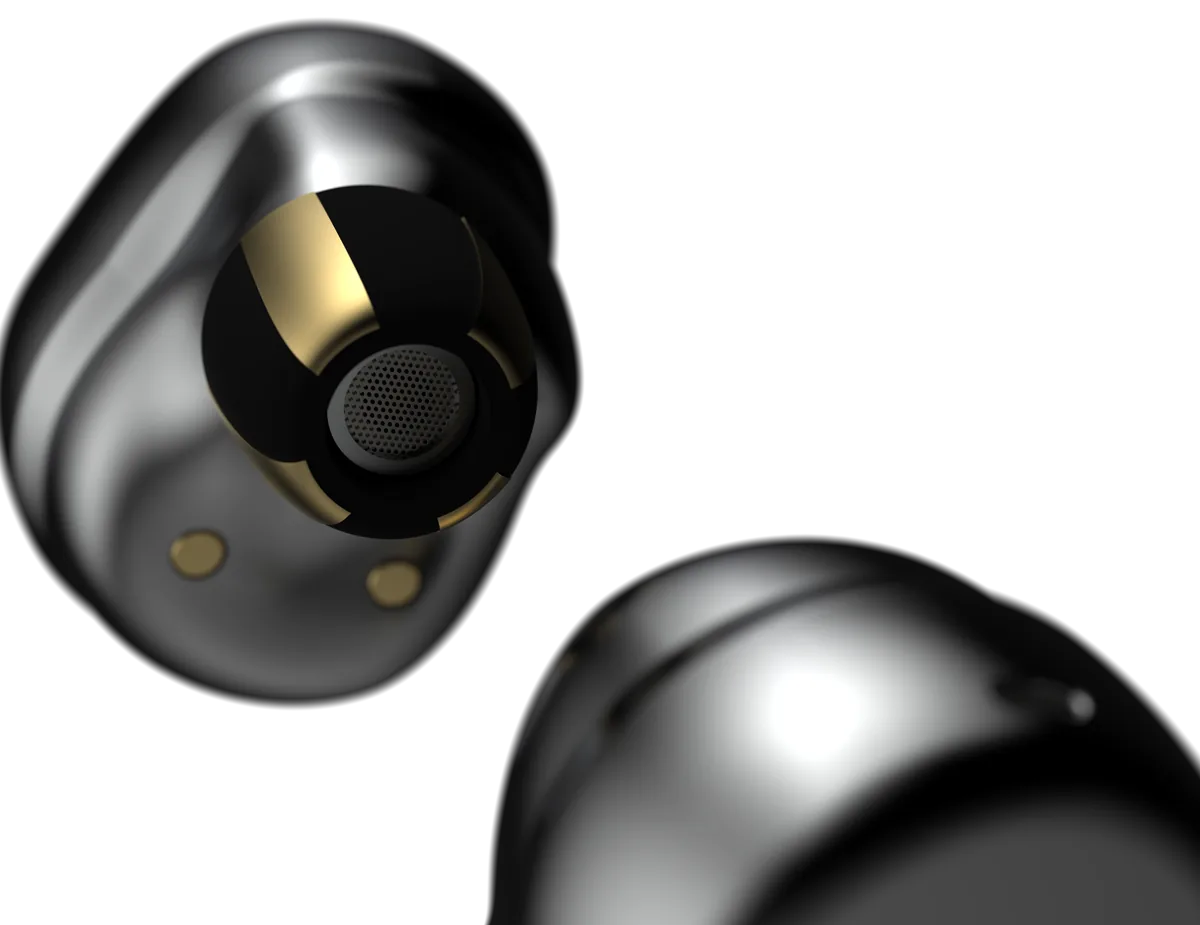
In-Ear EEG, Explained: How Earbuds Read Brain Waves
In-ear EEG uses tiny electrodes inside the ear canal to measure the brain's electrical activity. Learn how this wearable EEG technology works, what it can tell you about your focus, and how it compares to traditional scalp EEG.